- Teacher: Rebecca Schmidt


Course Title: Career Design 2
Instructor: Kenji Saietto
Course Type: Undergraduate / Skills Development
Language: English (with support in Japanese where needed)
⭐Course Overview
Career Design 2 is a practical,
interactive course designed to support students in preparing for their future
careers, particularly in Japan. The course focuses on understanding job hunting
systems, workplace expectations, and organizational culture, while helping
students develop essential professional skills such as communication,
self-presentation, and career planning.
Students will explore the unique characteristics of Japanese job hunting (就職活動 /
Shūkatsu), compare global employment practices, and reflect on their own goals
and strengths. Through active learning, they will gain confidence and readiness
for real-world career challenges.
⭐Learning Goals
1- Understand the structure and
expectations of job hunting in Japan
1- Understand the structure and expectations of job hunting in Japan
2- Analyze company culture and workplace behavior
3- Identify personal strengths, skills, and career interests
4- Communicate effectively in professional situations
5- Develop basic job application materials and strategies
6- Demonstrate readiness for internships and employment opportunities
⭐Course Content
1- Understanding Job Hunting in
Japan
2- Industry Research and Career Opportunities
3- Companies and Organizational Culture
4- Self-Analysis and Career Reflection
5- Communication Skills for the Workplace
6- Resume Writing and Interview Preparation
7- Professional Etiquette and Business Manners
⭐Teaching Methods
This course uses an active
learning approach, including:
1- Interactive lectures
2- Group discussions and teamwork
3- Role-play simulations
4- Career reflection exercises
5- Student presentations
6- Workshops and practical activities
7- Guest speakers from industry (when available)
⭐Assessment
Student performance will be
evaluated based on:
Class participation and engagement
Reflection writing and assignments
Group work and presentations
Career planning activities
Final project
⭐Expectations
Students are expected to:
Actively participate in all activities
Respect classmates from diverse cultural backgrounds
Complete assignments on time
Engage seriously in career planning and self-development
Maintain professional behavior in class
Message from the Instructor (Kenji Sayed)
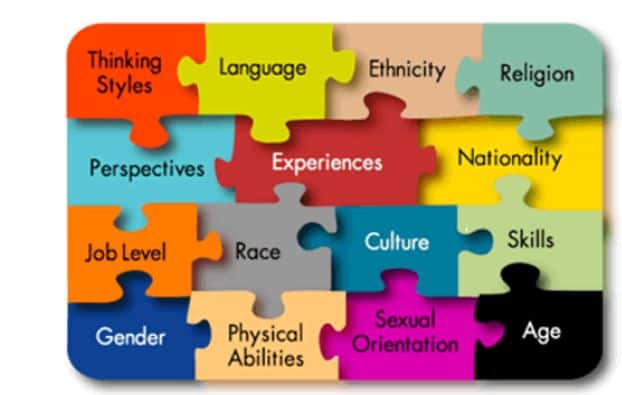
This course is not only about finding a job—it is about understanding yourself, your values, and your place in a global society. Your diversity is your strength, and this course will help you turn that strength into a meaningful and successful career.

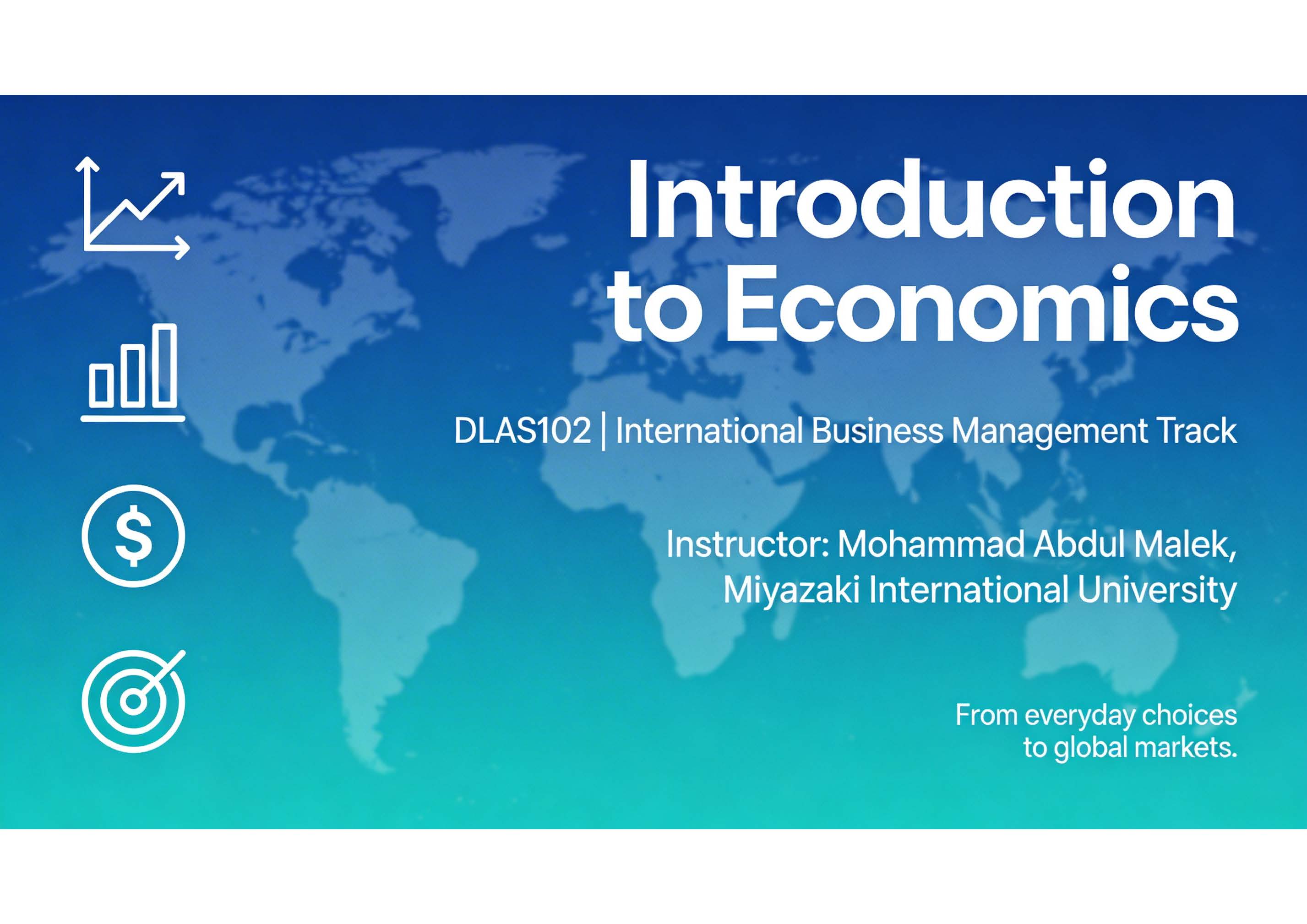
Many students who take an introductory microeconomics course find it hard to see how key concepts such as opportunity cost, trade‑offs, scarcity, demand, and supply relate to their lives and careers. As a result, some students are less motivated to prepare for class and to engage actively in learning activities. This course helps students apply economic thinking through three unifying microeconomic themes—"optimization, equilibrium, and empiricism—to improve their work, their choices, and their daily lives.”
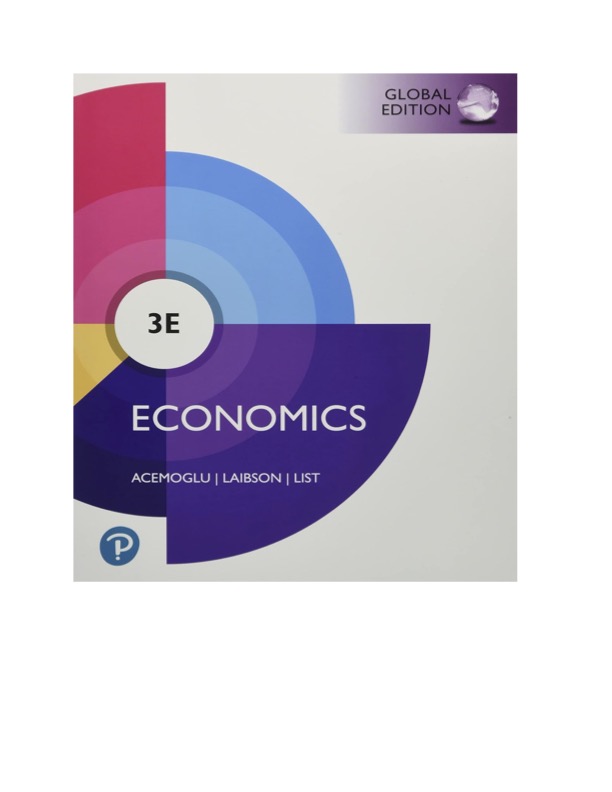
This course introduces the fundamental ideas of economics and shows how they help us understand real‑world issues in business and society. Students will first learn basic tools from mathematics and statistics, then study how markets work through the core concepts of demand, supply, and equilibrium. The course then broadens to key macroeconomic indicators, money and economic policy, and finally explores social and experimental approaches to economic behavior. Throughout the semester, students will connect these ideas to current topics and practical examples relevant for International Business Management. |
Hi Everyone,
Welcome Aboard. This is your course instructor Mehedi Kayser Pabitra. Please be regular in Moodle to get all important course updates including course materials, and announcements. Thank you.
Hi Welcome Aboard. Please follow the regular course materials and updates in the Moodle. Thanks a lot.
Build your own career plan,
focusing on company research and application form preparation with an eye
toward job hunting in Japan.

Radically transformed economics education can contribute to a more just, sustainable, and democratic world in which future citizens are empowered by a new economics to understand and debate how best to address pressing societal problems.
Our mission, to achieve the above vision, is to


This course serves as an introduction to the
fundamental principles and applications of marketing within the context of the
hospitality and tourism industry. Students will explore the core concepts of
marketing and their specific relevance to this dynamic field, gaining insight
into diverse marketing strategies. The course covers essential
topics such as foundational marketing principles, the marketing system, effective market segmentation,
targeting strategies, and a comprehensive understanding of the 8 Ps - the
marketing mix within hospitality and tourism. Beyond theoretical knowledge,
this course is designed to cultivate critical thinking abilities among
students, enabling them to analyze and apply marketing theories and concepts
within real-world scenarios in the hospitality and tourism sector. Emphasis is
placed on leveraging these marketing strategies to attain a competitive edge in
the industry, equipping students with practical skills and a strategic mindset
necessary for success in this dynamic field.


Explore the definitions, organizational structures,
and operational processes of tour operators and travel agencies. Learn about
tour product development, itinerary planning, negotiation strategies with service
providers, tour costing, and the essentials of tour planning for seamless
execution.
This is a place for students to get extensive listening in the form of podcasts on topics related to class textbooks and other relevant themes.

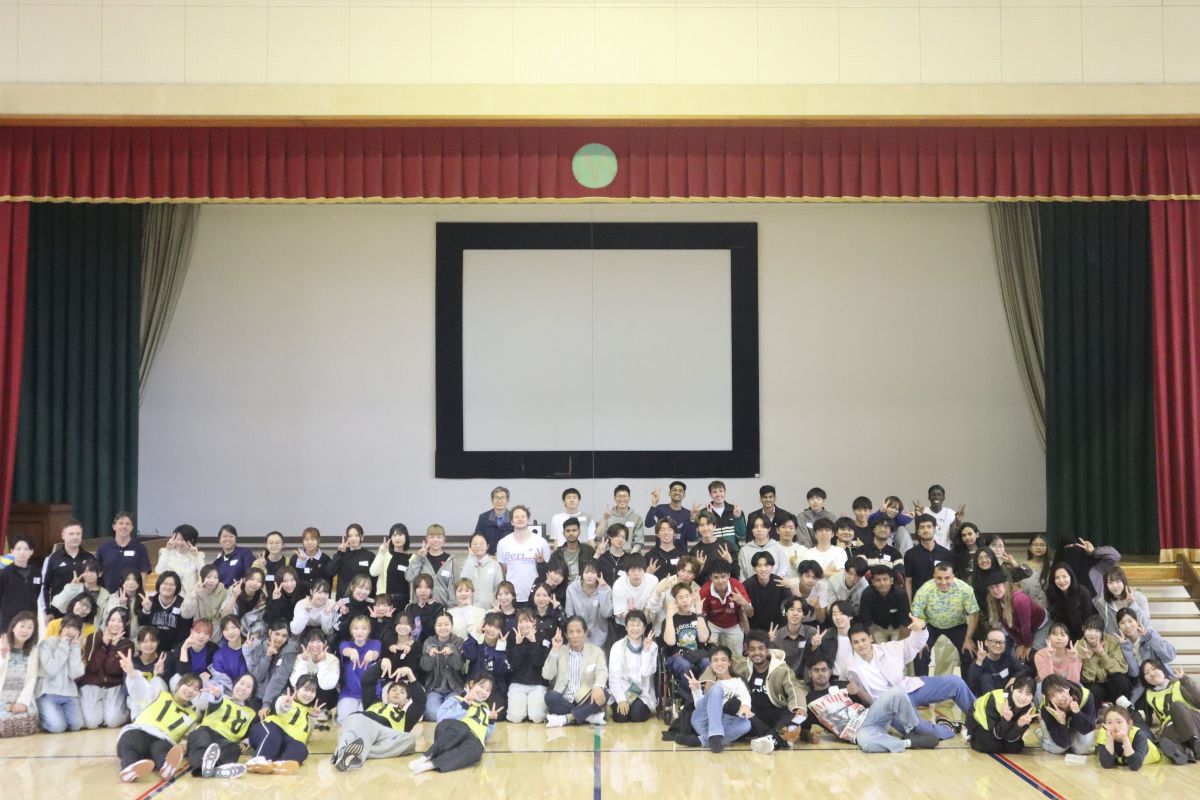
Freshman Seminar 1 is an introductory course designed to support students in their transition to university life in Japan, particularly at Miyazaki International University (MIU). The course provides a balanced foundation in both academic skills and essential knowledge of Japanese culture, manners, and social rules.
International Students will learn how university learning differs from previous educational experiences, with a focus on:
Students will also gain practical understanding of the MIU academic system, including:
Through active learning activities such as creative writing, paraphrasing, reflection writing, discussions, and presentations, students will develop communication and thinking skills necessary for academic success.
The course also introduces important aspects of Japanese culture, etiquette, and social expectations necessary for successful life in Japan. Topics include:
Students will explore how to live and study harmoniously in Japanese society while developing intercultural awareness and adaptability.
By the end of the course, students will be better prepared to:
Let's learn about British Culture and language. If you are a first year or second year student who wants to know more about British people and to practice easy conversation, this course is good for you. If you are curious about current British events, you might be able to follow up your own interest when we work on presentations at the end of the class, so you can find something to challenge yourself. We will use this website to share links and turn in assignments. There is not a coursebook which you have to buy, but you can study using handouts from this moodle. Keep your papers because at the end you make a portfolio out of the best paper you did or things you think were the most interesting. Please check the moodle site every week before class. It is easier to see on a pc than on a phone but it should work on a phone too. Note about assignments in moodle: The teacher will always announce assignments in the class and usually also by email. If you see a moodle "alert" about a deadline which the teacher did not mention, please tell the teacher. There are some pre-set deadlines which might be changed. Always communicate with the teacher in such as case!

The course will help you to get familiar with academic English, particularly in terms of the application of critical thinking when you read and write. In order to pass the course you need to attend at least 67% of the classes and do all the course work and quizzes. This website is used for sharing links and for you to upload assignments.

This course is a combination of formal study, including activities to introduce students to the local area, and experiential learning adapted to the capacities and qualifications of individual students. This individualized study deepens the students’ understanding of the area in which they are studying.
The course aims to: • Introduce you to organizations working with local culture and issues. • Help you to improve your mastery of communication (writing, listening, presenting) and your ability to summarize, synthesize, and analyze material. • Help you practice skills in organizing group activities. • Sharpen your ability to understand and make strong claims.

This course is designed to introduce students to the major theories, concepts, and pieces of research in classical sociology. What is society? How did the early social scientists understand the dramatic transfor- mations provoked by capitalism? How did they conceive the organization of the increasingly complex modern societies? The course considers these questions and discusses other related topics. The course is composed of two modules. The first module presents the ‘classical’ sociological theories, notably those elaborated by the ‘founding fathers’ of sociology, (i.e., Comte, de Tocqueville, Marx, Weber, and Durk- heim). The second module focuses on several issues and controversies (i.e., social stratification, social mobility, gender and sexuality, and race) that had great salience in the works of the early sociologists and have an enduring importance for understanding contemporary societies. The course instructor explains theoretical and empirical works, reviews social research methods and, through an active learning ap- proach, stimulates students to think critically about social problems.

This website is a place for students to check various links which are necessary for the course, to upload assignments and to receive feedback. There are two websites you need to master for the course - the Q Skills Online Learning website and the AE 1-4 website on moodle. You can get the link to Q Skills online from inside the moodle website so it is easiest to start here. Please let me know if you have any questions. ehead AT miu.ac.jp
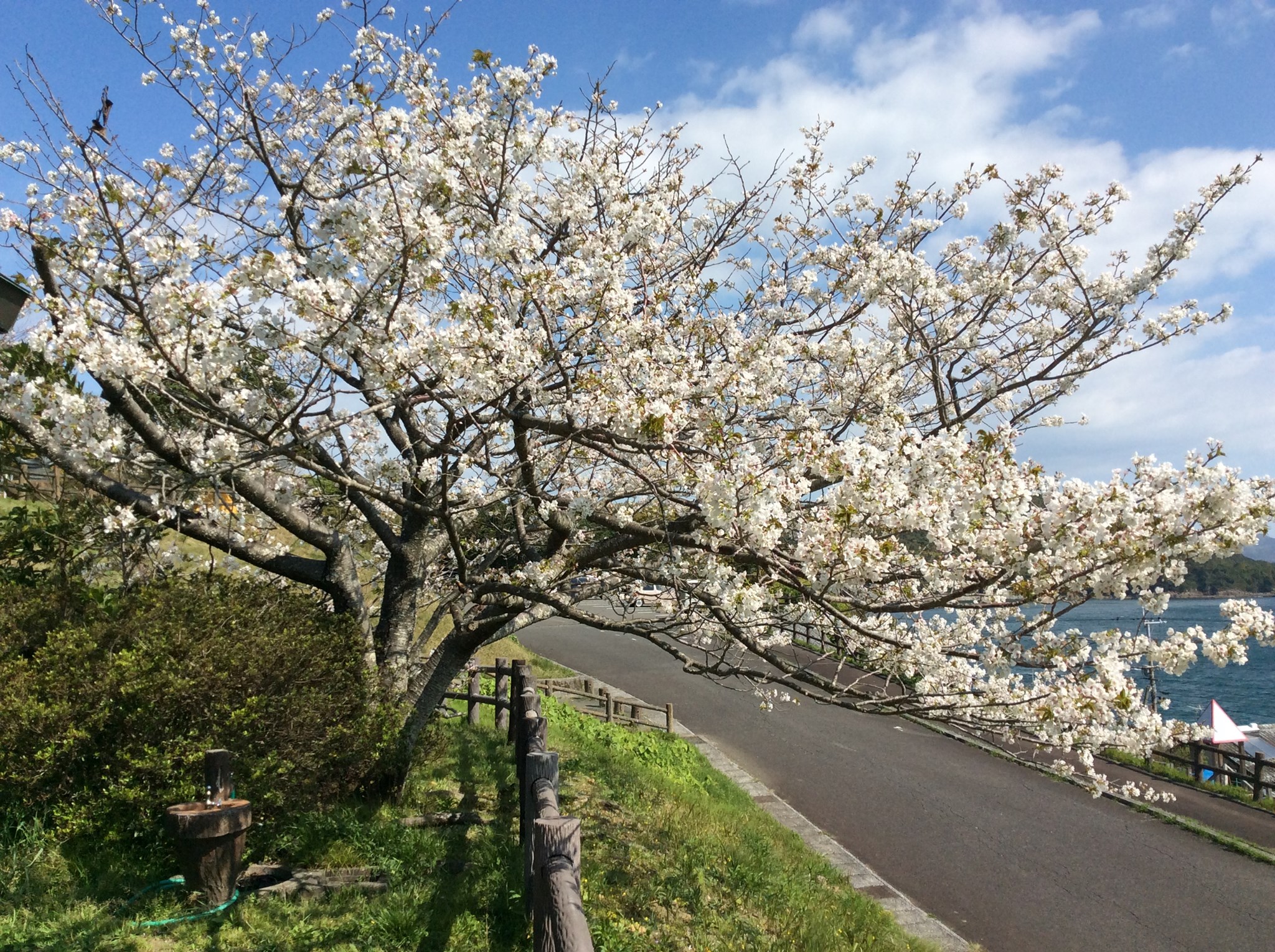
This course is a two-credit course for first year students. It is a "content and language integrated class." This means that you with use English as a tool to learn about British culture and language. The language used in the course includes some high-level language and the course will ask you to use critical thinking. But you can pass by doing the assignments even if your language level is intermediate.
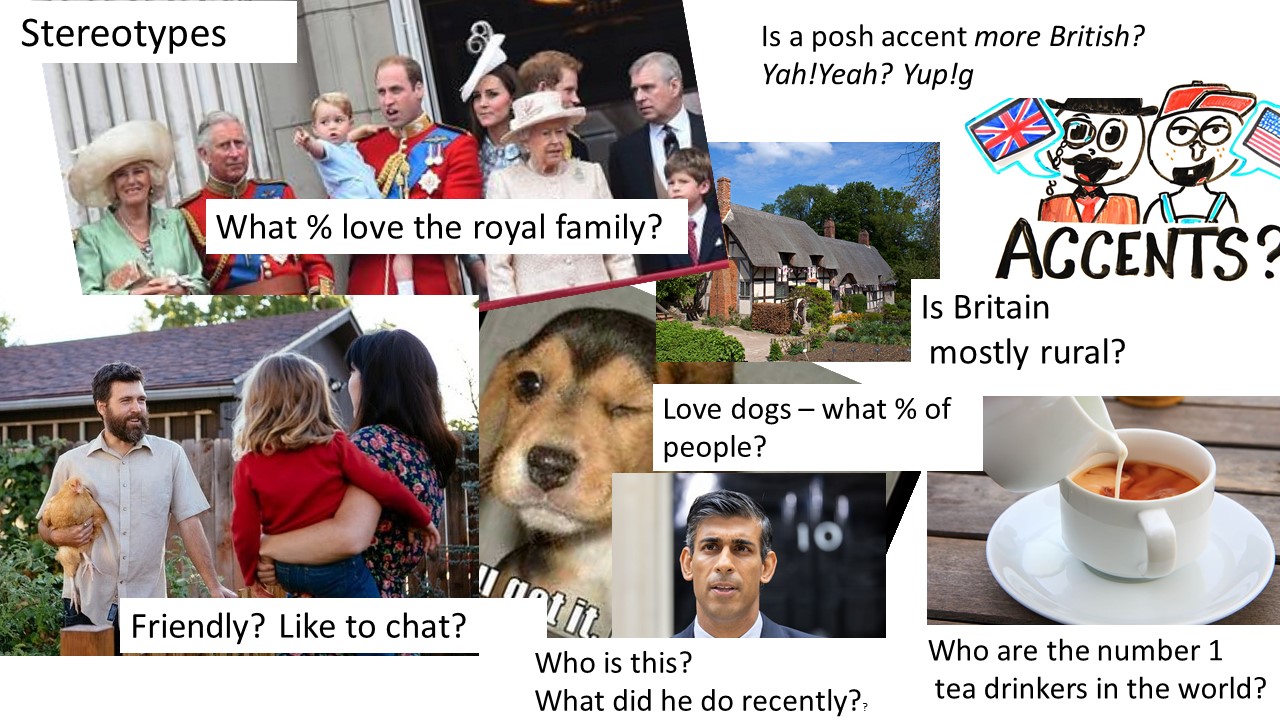
his course is an introductory course for international students studying at a Japanese university. It provides the knowledge and skills necessary for four years of university study, and also provides specific instruction on MIU’s educational policies, teaching methods, and study methods. It also provides an opportunity to learn about the mindset, rules, and lifestyle habits required to live and smoothly navigate university life in Japan, a country with a different culture, history, lifestyle, and language.
Explore the intersection of tourism and sustainable
development goals (SDGs) in this course. Gain insights into the fundamentals of
tourism and sustainable tourism practices, alongside an in-depth examination of
the background and interdependence of the 17 SDGs. Discover how tourism serves
as a pivotal driver in achieving these global goals, analyzing its impact
across the tourism value chain. Engage with case studies showcasing how
tourism-related businesses integrate SDGs into their operations, fostering sustainability and responsible
tourism practices.
This is the moodle for Academic English 2-2 with Ellen Head. Please use this site to access the reading passages and other links for the course.
This
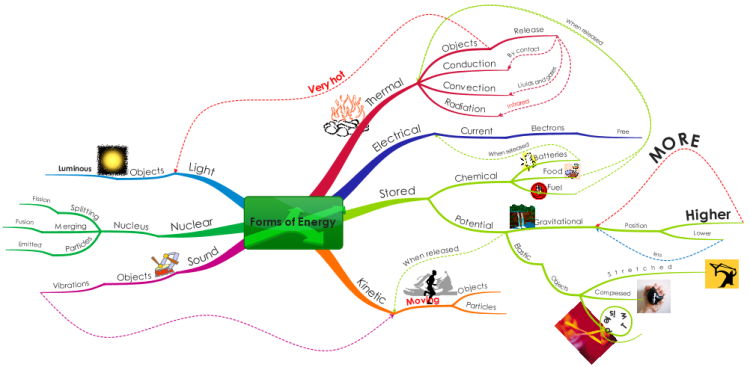
course presents an introduction to the basic conceptual and theoretical tools
for research and analysis in the field of politics. To understand the core
concepts used by political scientists and political theorists, we will be
addressing a broad range of issues that cover the nature of politics and the
structures of authority and power within political systems. During this course,
the students will also explore issues related with the rights and
responsibilities in contemporary representative democracies, as well as the
diversity of different contemporary political systems and ideas in a regional
and global context.

The ultimate objective of CE courses is to prepare students for upper division courses at MIC. Students
must achieve minimum scores on standardized exams from outside bodies in order to proceed to their
junior year. This typically requires successfully taking three CE courses. By the end of each course,
students will have mastered the knowledge and skills specified in the prescribed textbook as well as any
supplemental materials provided by individual professors.


Explore
the diverse meanings and types of tourism, unravel the classifications of
tourists, and delve into the expansive scope of the tourism industry and its
products. Investigate the advantages and disadvantages of tourism,
gaining a nuanced understanding of its impact on economies, social, and environments. Through engaging
lectures and discussions, discover the multifaceted nature of tourism and its
significance in shaping global travel experiences.
This is the moodle for LAS 105. You can find resources and upload assignments here.
This is Ellen's class for Academic English. We will use the book Q Skills for Success book 3 B. It is good for learning critical thinking! Look forward to seeing you in class.

Hello everyone!
My name is Rebecca Schmidt and I will be your Academic English instructor. We will work on academic vocabulary, advanced grammar, essay writing, research skills and critical thinking.
We will use the textbook Q Skills for Success: Reading and Writing 4BPlease get used to using an English-English dictionary. Please avoid translators for learning new words. I recommend using Longman's Learner's Dictionary https://www.ldoceonline.com/ or Oxford Learner's Dictionary
You may email me anytime at rschmidt@miu.ac.jp. My office is room 1-401. My office hours are Mondays 2:00- 5:00. If you want to meet at another time, please email me. It is very important that you read your emails!!
Although I try to answer emails as soon as I can, I cannot promise to respond immediately to emails sent after 5:15 and before 8:30 or on the weekends. You may send them, but please be patient if the reply takes time.
I am looking forward to getting to know you even better.
Let's make learning fun!



This course is designed to provide students with a comprehensive understanding of Canadian culture and language. The syllabus is divided into two main sections: 70% focused on cultural aspects and 30% on language learning. Through interactive lessons, discussions, and real-life type experiences, students will gain valuable insights into some of the societal aspects of Canada's rich heritage, traditions, and language.

The course introduces students
to basic features of the English language (listening, pronunciation, spoken
fluency, vocabulary, grammar, discourse competence, politeness) and evaluates
how different study methods can be used to make improvements in these areas.



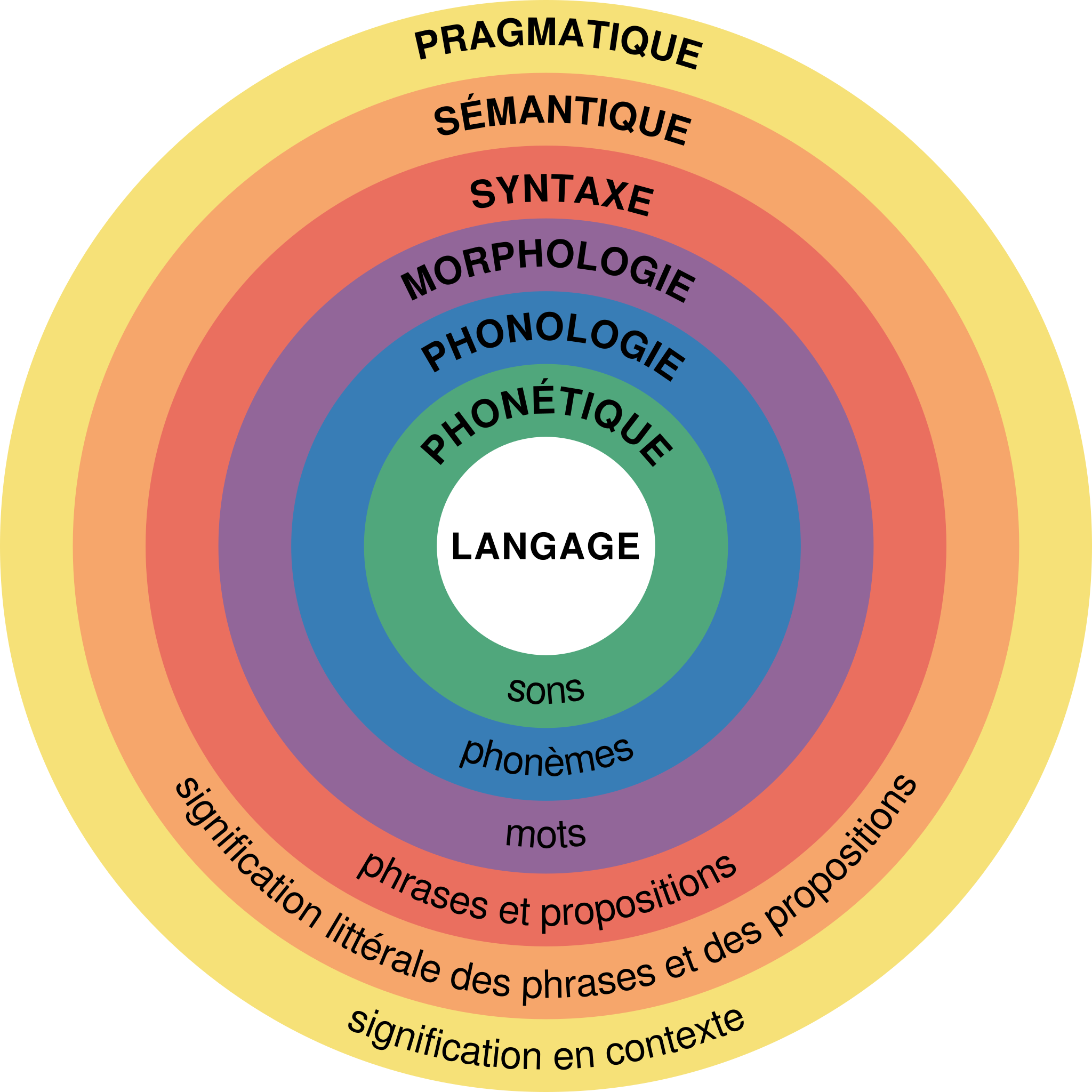
The course will serve as an introduction to linguistic topics such as phonology, phonetics, and speech perception and their applications to the the teaching of pronunciation.
Topics of study include:


Academic English (AE) is a four-skills course focussing on Cognitive
Academic Language Proficiency (CALP), or academic proficiency (see
references below). The courses are offered
every semester at different CEFR levels.
Continues proficiency development in written and spoken English. Strengthens oral proficiency through various speaking exercises. Develops reading skills through intensive and extensive reading practice. Strengthens written proficiency through practice in organized multi-paragraph essays. Further develops structural accuracy and fluency using more complex forms.
The course develops fluency in basic oral expression through various active learning methods such as pair-work, brainstorming, group discussions, games and activities, role-plays, presentations and active listening. Students are expected to record conversations focusing on a main functional objective with minimal planning and notes while utilizing conversation strategies.
This second semester course continues to challenge students to develop their reading skills through the use of in-class timed readings and comprehension questions, intensive readings with comprehension and vocabulary building activities, and extensive reading conducted mostly outside of class time. Homework consists of reading for meaning, for pleasure, and for the purpose of vocabulary building. Students also engage with software to work on extensive reading, to develop critical reading skills, and to build and practice vocabulary.
The course develops fluency in
basic oral expression through various active learning methods such as
pair-work, brainstorming, group discussions, games and activities, role-plays,
presentations and active listening. Students are expected to record
conversations focusing on a main functional objective with minimal planning and
notes while utilizing conversation strategies.


This course introduces the literary genres – prose (short stories), poetry, and drama – with an emphasis on developing reading, speaking, and writing skills through the analysis, interpretation, and production of fictional texts. Our emphasis will be to experience literature using active, co-operative methods in order to learn how to respond to literature in ways that are both critically informed, expressive and creative.

This
first semester course focuses on developing reading skills through the use of
in-class timed readings and comprehension questions, intensive readings with
comprehension and vocabulary building activities, and extensive reading
conducted mostly outside of class time. Homework will consist of reading for
meaning, for pleasure, and for the purpose of vocabulary building. The overall goals of the
course are to increase reading fluency, to improve understanding of grammatical
forms and vocabulary encountered in simplified written texts, and to gain
skills and strategies necessary for further development of reading
comprehension. It is hoped that students will also develop an increased
interest in EFL reading.
Introduces initial basic proficiency in fluency and accuracy in spoken English. Develops fluency in basic oral expression. Develops reading skills through regular reading practice. Introduces writing skills form the paragraph level. Introduces vocabulary for academic purposes.
The course develops fluency in basic oral expression through various active learning methods such as pair-work, brainstorming, group discussions, games and activities, role-plays, presentations and active listening. Students are expected to record conversations focusing on a main functional objective with minimal planning and notes while utilizing conversation strategies.
Introduces basic theories of economics. Topics covered
may include: economics as a science; production, specialization and exchange;
demand and supply; elasticity; utility; output and costs; industry structure;
factor markets; business cycles; national output and macro-economic policies;
market failure; and international trade.